Scalp micropigmentation (SMP), sometimes called a “hair tattoo,” is a non-surgical cosmetic treatment that uses tiny dots of pigment placed in the scalp to camouflage thinning, receding hairlines, cover bald spots, and create the look of a fuller head of hair.
SMP can also disguise hair transplant FUE and FUT scars.
For men and women, it can be used to blend receding hairlines, enhance overall density, or mimic a closely shaved appearance, without surgery, stitches, or lengthy recovery. SMP can be as subtle or as bold as the client requires, with any style hairline. Many people notice a visible transformation right away after the session(s), with results continuing to look more refined as the scalp settles during healing.
Benefits: non-surgical camouflaging of hair loss (including bald spots and thinning), the option to create a shaved-look effect, minimal downtime, and typically low upkeep compared with many alternatives.
Immediate results: the “fuller” appearance is designed to be visible immediately after treatment completion.
Timing/expectations: exact look and longevity can depend on hair loss pattern, technique, and aftercare, and most providers recommend follow-up sessions/touch-ups for optimal blending.
FAQ’s
What is Scalp Micropigmentation?
Scalp Micropigmentation is a non-surgical cosmetic treatment that uses detailed micro-dots of pigment to replicate the appearance of hair follicles on the scalp. It can create the look of a fuller hairline, add density to thinning areas, or restore the appearance of a shaved head.
Who is a good candidate for SMP?
SMP is suitable for men and women experiencing hair thinning, pattern baldness, alopecia, hair transplant scars, or those wanting a denser-looking hairline. It can also be a great option for people who prefer a clean, shaved style.
How long does the treatment take?
Treatment time depends on the size of the area being covered. Most clients need 2 to 4 sessions, usually spaced 1 to 2 weeks apart, to achieve the best result.
Does SMP hurt?
Most clients describe the treatment as very tolerable, with only mild discomfort. Sensitivity varies from person to person, but the process is generally much more comfortable than traditional tattooing. We can advise on anesthetic creams if needed.
How long does SMP last?
Scalp Micropigmentation is long-lasting, but it is not permanent. Over time, the pigment will gradually soften and may require a colour refresh after several years, depending on skin type, lifestyle, and aftercare.
Will the pigment turn blue or green?
When performed correctly with the right pigment and technique, SMP should heal to a natural-looking result rather than turning blue or green. A trained practitioner will choose pigments specifically designed for scalp work.
Can SMP help with hair loss from alopecia?
Yes, SMP can be used to create the appearance of density or a closely shaved style for many forms of alopecia. A consultation is recommended to determine suitability based on the type and extent of hair loss.
Can SMP cover scars?
Yes, SMP can help camouflage scars from hair transplants, surgery, or injury. The scar tissue will need to be assessed first, as some scars may take pigment differently than normal skin.
How many sessions will I need?
Most clients require at least 2 sessions, and sometimes 3 to 4 depending on the treatment goal, skin type, and the amount of detail needed. A final touch-up may also be recommended once healing is complete.
What is the aftercare like?
Aftercare usually involves keeping the scalp clean and dry for the first few days, avoiding sweating, swimming, saunas, and direct sun exposure. Your practitioner should provide clear aftercare instructions tailored to your treatment.
Is there downtime after treatment?
There is usually minimal downtime, and most people return to normal daily activities quickly. Some mild redness or sensitivity may be present for a short period after the session.
Can women have scalp micropigmentation?
Yes, SMP is suitable for women experiencing diffuse thinning, part-line widening, or visible scalp areas. The treatment can be customised to create a soft, natural density effect.
How natural does SMP look?
When done well, SMP can look very natural and discreet. The result depends on the practitioner’s skill, pigment selection, hairline design, and placement strategy.
How do I know if SMP is right for me?
The best way to know is through a consultation, where your scalp, hair loss pattern, and treatment goals can be assessed. This allows the practitioner to recommend the most suitable approach and expected outcome.
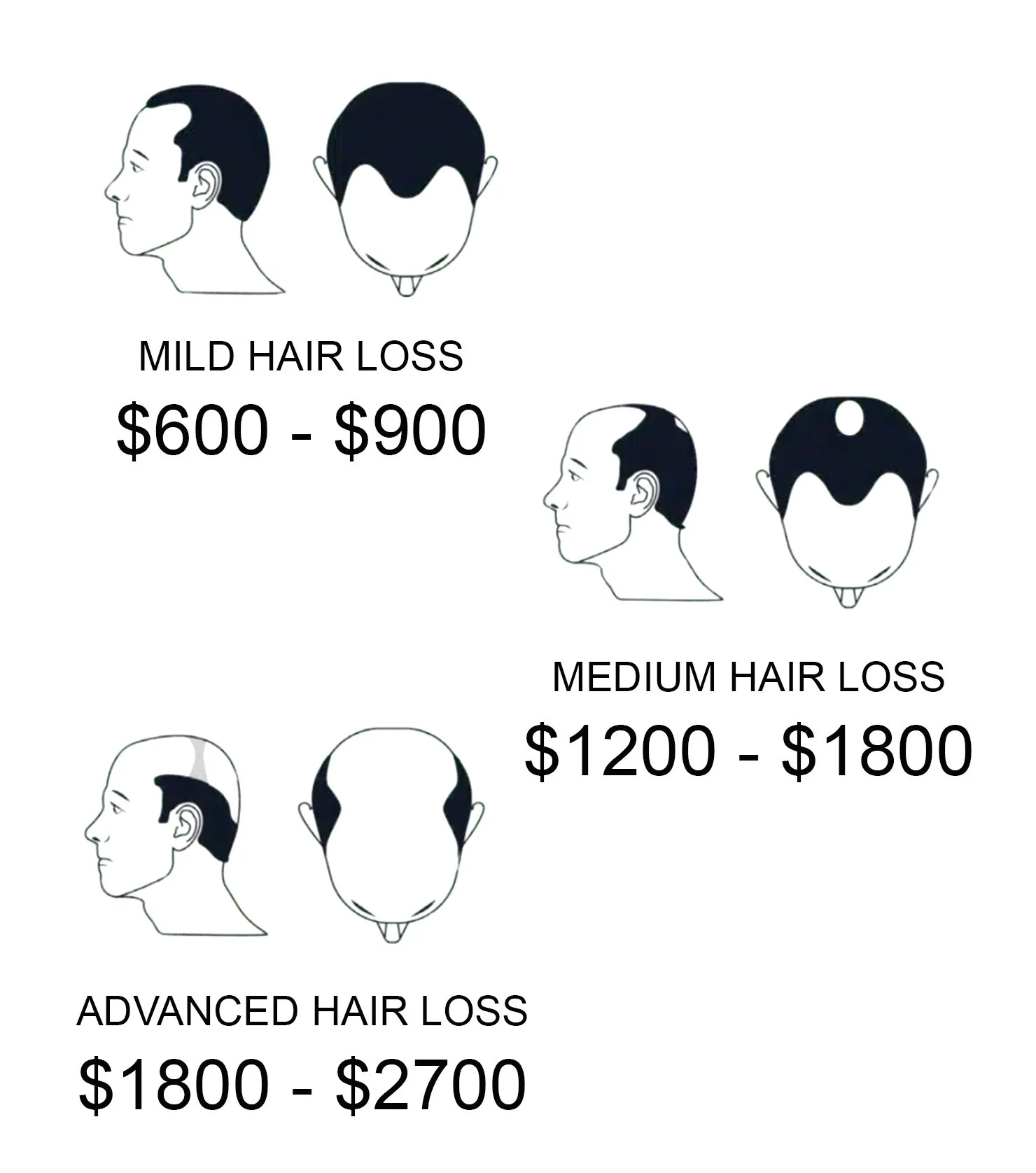
Below is a guide to the cost of an SMP treatment plan depending on the area involved. For a more accurate assessment please contact the studio.